Blue Lock and Spain: Tiki-Taka, Sae Itoshi, and What the Manga Actually Shows
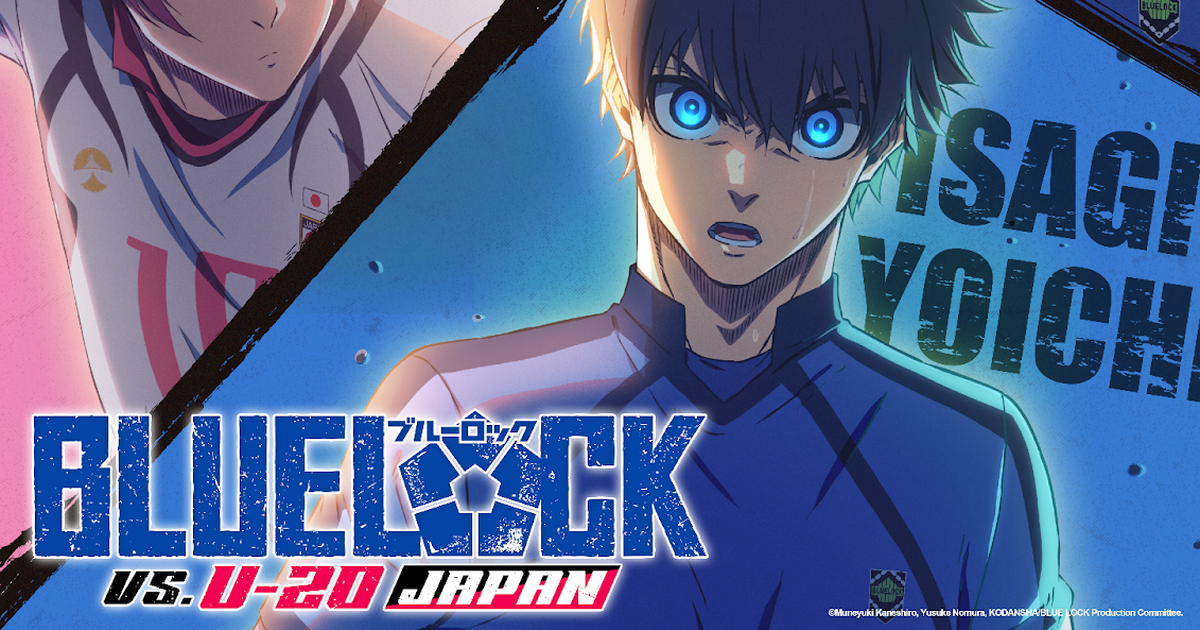
If the Blue Lock Argentina debate is about a country that plays for the collective, the Spain angle is about the country that turned the collective into a science. Spain gave football tiki-taka, the pass-first, keep-the-ball, everyone-moves-together system that won a World Cup and back-to-back Euros. Blue Lock’s entire pitch is that this kind of thinking is exactly what holds a striker back. So when you line the two up, you get one of the cleanest philosophy clashes in the whole series.
Here’s how Blue Lock and Spain actually collide, why the manga keeps circling back to Spanish football, and where the most interesting part lives (short answer: past where the anime is).
So what’s the Blue Lock Spain angle?
Blue Lock’s thesis is ego. Japan keeps losing, the story argues, because its players are too polite and too team-first, so a coach locks 300 strikers in a facility and tells them to become selfish monsters. Individual hunger over the group, stated out loud, over and over.
Now put that next to tiki-taka. Spain’s golden generation didn’t win by feeding one hungry striker. It won by passing the opponent into the ground, by positional play, by trusting that the ball moving is worth more than any single player’s moment. It’s the most collective idea football has ever produced, and for a decade it was the best idea in the sport. Blue Lock walks in and says none of that makes you the world’s best striker, only your own greed does. That’s the friction. Spain is the strongest possible argument against Blue Lock’s gospel, and the manga knows it.
Why Spain is the perfect foil for Blue Lock
You could pick a lot of countries to argue with Blue Lock, but Spain is the sharpest one because the disagreement is technical as much as it is emotional.
Tiki-taka is a system you can draw on a whiteboard. Keep possession, build triangles, make the pitch big when you have the ball and small when you don’t, and let the striker be the last touch of a move that ten players built. The forward finishes, sure, but the philosophy treats him as the tip of a collective, not the reason the collective exists. Blue Lock inverts that completely: the striker is everything, and the ten players around him are raw material for his goal.
So the clash goes deeper than “teamwork good, selfishness bad.” You’ve got two fully worked-out theories of how you produce a great attacker, and they point in opposite directions. That’s why it’s fun to argue about, and it’s the same nerve the Blue Lock Argentina controversy pokes from the other side.
Sae Itoshi: the genius the manga sends to Spain
Blue Lock doesn’t keep Spain at arm’s length. It sends its coldest prodigy straight into it.
Sae Itoshi, Rin’s older brother, is the one character who actually left Japan for the Spanish game. Re Al, the manga’s stand-in for Real Madrid, recruited him at 13. Because Spanish clubs can’t sign foreign minors to pro terms until they turn 18, he had to wait years to break into the senior side, and by the time he did, something had changed. He came back looking down on Japanese football entirely, saying he’d rather play in Europe with a bunch of college kids than suit up for the J-League or the national team.
The part fans obsess over is the quiet one: Sae went to Spain dreaming of being the world’s best striker, and he came out of that youth academy having rebuilt himself as a midfielder instead. The manga confirms the switch but keeps the reason close to its chest. Whatever happened in Spain bent one of the most talented players in the story off his original path, and that mystery is a big chunk of why the Spain thread matters. We’ll leave the specifics unspoiled.
Re Al and FC Barcha: Spain shows up twice in the Neo Egoist League
Once Season 3’s arc kicks in, Spanish football stops being a backstory and becomes the furniture.
The Neo Egoist League is built out of clubs modeled on Europe’s giants: Bastard München (Bayern), Ubers (Juventus), PXG (Paris Saint-Germain), Manshine City (Manchester City), and FC Barcha, the Barcelona one. Barcha carries the Barcelona DNA you’d expect, all freedom, creativity, and keep-the-ball flair, which is tiki-taka wearing a manga jersey. And hanging over all of it is Re Al, the Real-Madrid-shaped superclub where Sae plays, the level everyone else is trying to reach.
That’s two of world football’s most famous Spanish institutions baked right into the story. For a series whose whole point is that the collective is a weakness, it’s telling that it keeps setting its biggest stages in the country that made the collective an art form.
The catch: the anime is nowhere near this
If you’re watching the anime and waiting for the tiki-taka clash or the full Sae reveal, settle in.
Season 3 lands on October 9, 2026 and adapts the Neo Egoist League starting from chapter 152. As of mid-2026 the manga is well past chapter 350, with 39 collected volumes out. So the Spain-heavy material, the Sae backstory, the Barcha and Re Al showdowns in their full form, sits a long way ahead of where Season 3 even begins. We mapped the exact anime-to-manga jumping-on point in our guide to reading Blue Lock ahead of Season 3.
How to read the parts the anime hasn’t reached
For Blue Lock itself, if you’re in the US, the easy answer is K MANGA, Kodansha’s own app. Chapters go up in English basically the same day they release in Japan, it’s legal, and it pays the creator. Read it there.
Where a translator earns its keep is everything K MANGA doesn’t cover. If this Spain-versus-ego argument has you wanting to go deeper (raw Japanese chapters of series that never got a same-day English release, or the mountains of Korean and Chinese sports titles that never get any official English at all), that’s the language wall doing its thing. Madomi translates the page in place, right on top of the original art, so you read as you scroll instead of hunting for a scanlation that may never come. It’s a browser extension and a mobile app, and the free plan is enough to point it at whatever you’re stuck on right now. If you want to branch out from Blue Lock, we’ve got walkthroughs for reading Korean manhwa and Chinese manhua without knowing the language.
The best way to settle whether Blue Lock’s ego gospel beats Spain’s passing religion is to actually read the parts where they meet. Start where the anime stops.
FAQ
What is the Blue Lock Spain connection? Spain is the home of tiki-taka, football’s most collective, possession-based philosophy, which is the direct opposite of Blue Lock’s ego-first gospel. The manga leans into that contrast, sends Sae Itoshi to a Real-Madrid-inspired club, and builds a Barcelona-inspired team (FC Barcha) into its Neo Egoist League.
What is tiki-taka and why does it clash with Blue Lock? Tiki-taka is a Spanish style built on short passing, possession, and positional play, where the striker finishes a move the whole team created. Blue Lock argues the opposite: the striker is everything and the team exists to serve his hunger. The two are worked-out theories that point in opposite directions.
What happened to Sae Itoshi in Spain? Sae joined Re Al (the Real Madrid analog) at 13 and rebuilt himself from an aspiring striker into a midfielder during his time in the Spanish youth setup. The manga confirms the change but hasn’t fully explained what caused it, which is why it’s such a talked-about mystery.
Which Blue Lock teams are Spanish? FC Barcha is modeled on FC Barcelona and plays in the Neo Egoist League, while Re Al is modeled on Real Madrid and is the elite senior club where Sae Itoshi plays.
Is the Spain and tiki-taka material in the anime yet? No. Season 3 starts at chapter 152 (the Neo Egoist League) and the manga is past chapter 350, so the fullest Spain-related stretches are well ahead of the anime.
Where can I read Blue Lock ahead of the anime? K MANGA (Kodansha’s app, same-day English in the US and many countries) and Kodansha’s print and digital volumes. For raws and unlicensed series that never get an English release, a real-time translator like Madomi reads them in place.
Read more on Pawaka Blog
Keep reading
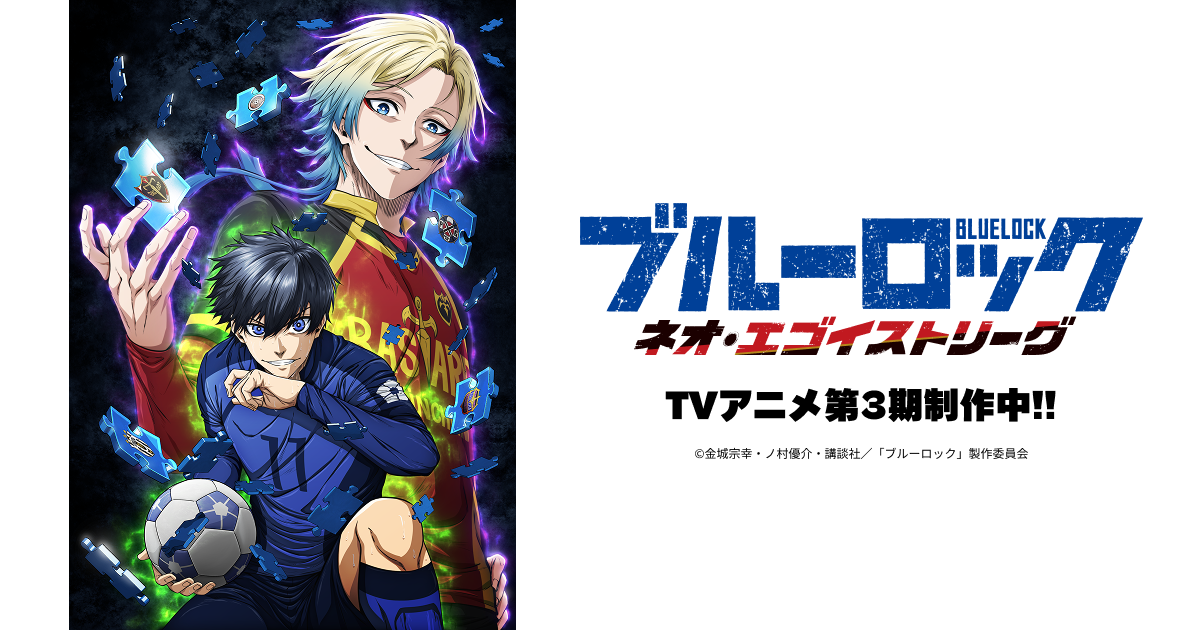
Blue Lock: How to Read the Manga Ahead of Season 3 (Neo Egoist League)
Blue Lock Season 3 adapts the Neo Egoist League. Here's exactly where the anime leaves off in the manga, where to read Blue Lock in English, and how far ahead the story is.
The Summer Hikaru Died Manga Ends October 20. Here Is How to Read the Ending Before Season 2
The Summer Hikaru Died manga ends with chapter 51 on October 20, 2026. Here's where the anime left off and how to read the final chapters in your language.
The Apothecary Diaries Season 3 Premieres October 2. Here Is How to Read Ahead of It Today
The Apothecary Diaries Season 3 premieres October 2, 2026. Here's exactly where the anime leaves off, and how to read the light novel and manga ahead of it.
Blue Lock and the Argentina Controversy: What the Manga Actually Shows
The Blue Lock Argentina controversy, explained: why its ego-first philosophy rattled Argentine football fans and the manga content the anime hasn't reached.
Blue Box Manga Just Ended. Here Is How to Read the Whole Story Ahead of Season 2
Blue Box Season 2 premieres October 4, 2026, but the manga already ended at chapter 250. Here's exactly where to start reading to get the full ending ahead of the anime.